History · 6 min read
From a Bainbridge driveway to sold-out arenas
Three dads, a bored summer and a perforated ball — how the fastest-growing sport in America started as a family improvisation in 1965.
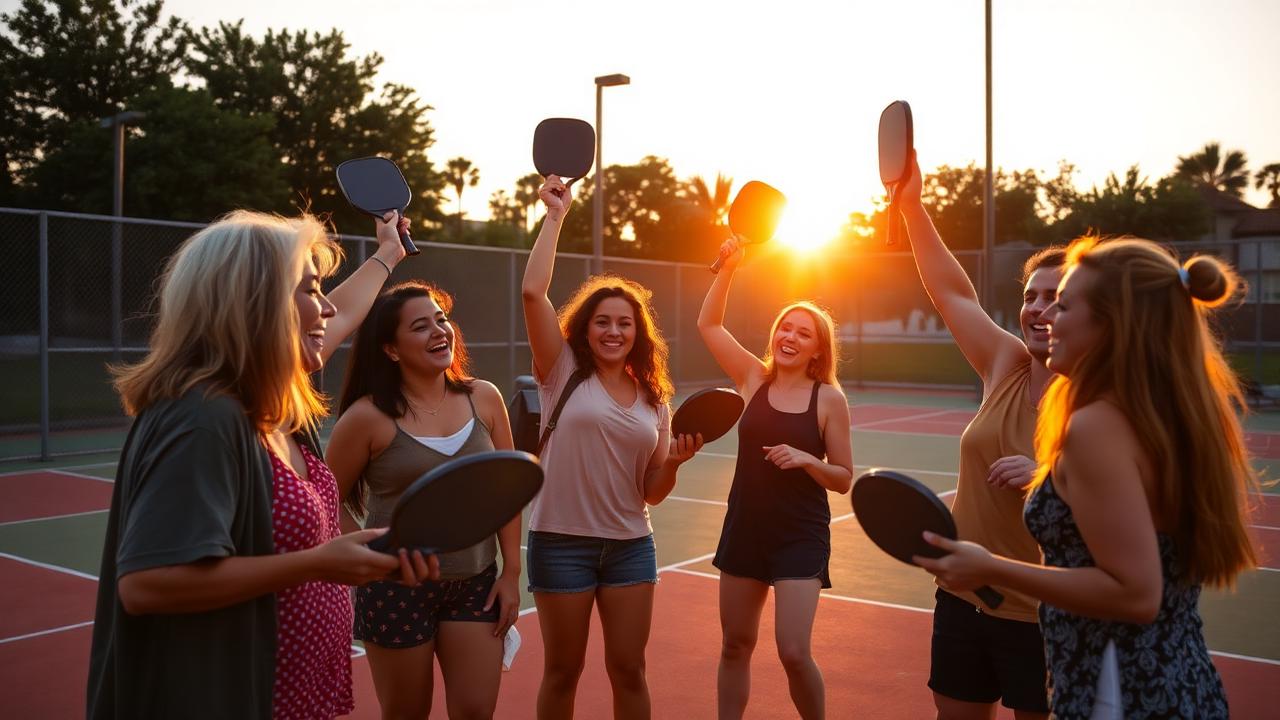
Every sport wants an origin myth. Pickleball's is better than most because it's true: the summer of 1965, on Bainbridge Island, Washington, three fathers — Joel Pritchard, Bill Bell and Barney McCallum — came home to bored kids and a badminton court with no shuttlecock. What they improvised instead, with a perforated plastic ball and plywood paddles, became a sport.
The genius was in the constraints. A lowered net. A court small enough for a driveway. A ball that refused to fly too far. Every accidental decision made the game more democratic — grandparents could rally with grandkids on day one, and that never stopped being true.
For decades pickleball spread the way recipes do: neighbor to neighbor, retirement community to community center. Then the curve went vertical. Courts appeared in converted big-box stores, celebrities bought into pro teams, and arena finals started selling out.
What survives the growth is the driveway DNA. Open play rotations, first-name introductions, the paddle stack against the fence. The arenas are new. The welcome is sixty years old.
Keep reading
More from Culture
Lore · 4 min read
Why is it called the kitchen?
Theories, half-truths and the accepted story behind pickleball's most famous strip of concrete.

Business · 5 min read
The celebrity ownership boom
Athletes and entertainers buying into pro teams turned a grassroots game into a boardroom sport.
Community · 4 min read
The unwritten rules of open play
Paddle queues, rotations and the delicate art of the friendly challenge — open play is pickleball's social engine.